Setting up a business in an Abu Dhabi free zone gives entrepreneurs and foreign investors access to the UAE's business-friendly environment, industry-specific infrastructure and international markets. Abu Dhabi has several free zones, including ADGM, Masdar City, KEZAD, ADAFZ and twofour54, each catering to different industries.
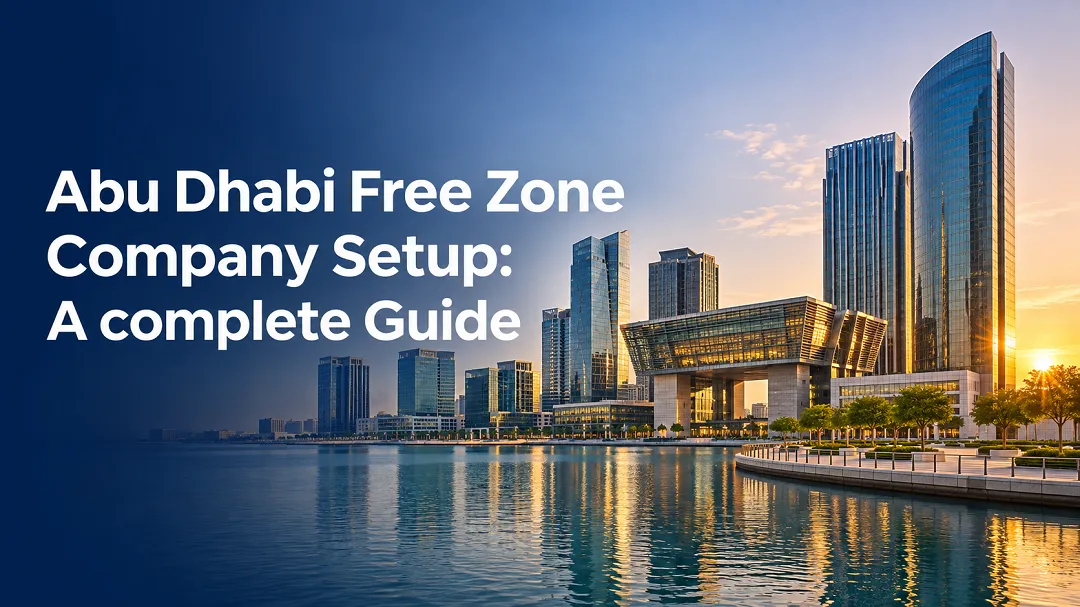

Business setup in uae free zone in abu dhabi depends on your business activity, licensing requirements, office arrangements, visa needs and budget. Before choosing a jurisdiction, it is important to understand the available licences, company formation process, setup costs and UAE corporate tax obligations.
What Is an Abu Dhabi Free Zone?
A free zone is a designated business area operating under its own licensing authority and regulatory framework. Businesses established in these zones can conduct approved commercial, professional, industrial and other activities.
Abu Dhabi free zone company formation is suitable for international investors, startups, consultants, manufacturers and established businesses looking to operate in the UAE.
Key benefits include:
- 100% foreign ownership, subject to the applicable authority's regulations.
- Repatriation of capital and profits.
- Access to industry-specific facilities and business networks.
- Flexible office and workspace options.
- Potential corporate tax benefits for businesses meeting qualifying conditions.
Major Free Zones in Abu Dhabi
Choosing the right jurisdiction is an important part of free zone company formation in Abu Dhabi. Each authority offers different licensing options, facilities and industry advantages.
1. Abu Dhabi Global Market (ADGM)
Abu Dhabi Global Market (ADGM) is an international financial centre serving financial services, fintech, asset management, professional services and technology businesses. Companies conducting regulated financial activities must obtain the relevant approval from the Financial Services Regulatory Authority (FSRA).
2. Masdar City Free Zone
Masdar City Free Zone supports businesses in renewable energy, sustainability, clean technology, artificial intelligence, research and consulting. It offers flexible licensing and workspace arrangements. Its Start-Lite package advertises an annual licensing fee of AED 7,000, subject to package conditions and additional requirements.
3. Khalifa Economic Zones Abu Dhabi (KEZAD)
KEZAD is designed for manufacturing, trading, logistics, warehousing and distribution businesses. Its industrial facilities and transportation connections make it suitable for companies requiring supply chain and storage infrastructure.
4. Abu Dhabi Airports Free Zone (ADAFZ)
Abu Dhabi Airports Free Zone supports aviation, logistics, e-commerce, trading and technology businesses. Its airport locations offer opportunities for companies involved in air cargo and international transportation.
5. twofour54 – Creative Media Authority
twofour54 caters to creative industries, including film production, gaming, broadcasting, publishing and digital content. It offers licensing and workspace solutions for media professionals and companies.
Abu Dhabi Free Zone Comparison
| Free zone | Best suited for | Main consideration |
|---|---|---|
| ADGM | Finance, fintech and professional services | Financial regulatory requirements |
| Masdar City | Technology, sustainability and research | Approved activities and workspace |
| KEZAD | Manufacturing, logistics and trading | Industrial facilities |
| ADAFZ | Aviation, logistics and trading | Airport-related opportunities |
| twofour54 | Media, gaming and entertainment | Creative Media Authority licensing |
For example, a fintech company exploring regulated financial services may consider ADGM, while a manufacturer requiring warehouse facilities may find KEZAD more suitable. A technology startup interested in sustainability could explore Masdar City.
The right choice depends on the company's actual business model, operating requirements and budget.
Types of Abu Dhabi Free Zone Business Licences
The available Abu Dhabi free zone licence types depend on the selected authority and approved business activities. Common categories include:
- Commercial licence: For approved trading, import, export and distribution activities.
- Professional or service licence: For consultancy, IT, marketing and management services.
- Industrial licence: For manufacturing, processing, assembly and related operations.
- Media licence: For approved publishing, broadcasting, production and creative activities.
- Financial services licence: For regulated financial activities requiring additional regulatory approval.
Some authorities also offer specialised e-commerce, technology and freelance-related licensing options.
Note: A licence only permits the activities approved by the relevant authority. Additional approvals may be necessary for regulated industries.
Abu Dhabi Free Zone Company Formation: Step-by-Step Process
The Abu Dhabi free zone company registration process generally involves the following steps. Specific requirements and processing times vary between authorities.
Step 1: Select Your Business Activity
Identify the products or services your company will provide. Check the authority's approved activity list and determine whether your proposed operations require additional government or regulatory approvals.
Step 2: Choose a Free Zone and Legal Structure
Compare jurisdictions based on industry suitability, licensing costs, facilities and visa requirements.
Depending on the authority, available structures may include a Free Zone Establishment (FZE), Free Zone Limited Liability Company (FZ-LLC) or branch of an existing company.
Step 3: Reserve Your Trade Name
Submit your proposed company name for approval. It must comply with the authority's naming requirements and should not conflict with an existing registered business.
Step 4: Submit the Application and Documents
Complete the application and provide the required shareholder, director and business information. Some authorities may also request a business plan or professional profile.
Step 5: Arrange Office Space
Choose a workspace that meets your licence requirements. Options may include a flexi-desk, shared office, private office, commercial premises or warehouse.
Step 6: Obtain Your Business Licence
Once the authority reviews and approves the application and receives the applicable fees, it can issue your business licence.
Step 7: Arrange Visas and Banking
If required, complete establishment card and immigration formalities. Apply for investor or employee visas according to your package and eligibility. You can also approach UAE banks to open a corporate account, subject to their compliance and approval procedures.
Documents Required for Business setup in uae free zone in abu dhabi
The documents required for Business setup in uae free zone in abu dhabi depend on the licensing authority, legal structure and shareholder arrangements. Common documents include:
- Passport copies of shareholders and directors.
- Recent passport-sized photographs, where required.
- Residential address and contact details.
- Proposed company name and business activities.
- Completed application forms.
- Business plan or professional profile, if requested.
For corporate shareholders, additional documents may include a certificate of incorporation, constitutional documents, board resolution, ownership details and ultimate beneficial ownership (UBO) information.
Abu Dhabi Free Zone Company Cost
The cost of Business setup in uae free zone in abu dhabi varies according to the licensing authority, business activities, legal structure, workspace, visa allocation and additional approvals. Your initial and ongoing budget may include:
| Cost component | What it covers |
|---|---|
| Registration and licence | Initial registration and annual licence fees |
| Workspace | Flexi-desk, shared office, private office or warehouse |
| Visa and immigration | Establishment card, visa processing, medical tests and Emirates ID |
| Additional approvals | Activity-specific permits and regulatory fees |
| Renewal | Annual licence and workspace renewal charges |
| Professional services | Accounting, tax and business advisory support |
For example, Masdar City Free Zone advertises its Start-Lite package with an annual licensing fee of AED 7,000. The package includes two business activities and eligibility for one visa, but does not include a lease. Additional charges may apply depending on the company's requirements.
This is a specific package price, not the total setup cost for every Abu Dhabi free zone company. Always request an itemised quotation from your selected authority before budgeting.
Free Zone vs Mainland Company in Abu Dhabi
Choosing between a free zone and mainland licence depends on where you intend to operate and whom you plan to serve.
| Business structure | Best suited for | Key consideration |
|---|---|---|
| Free Zone Company | International clients and specialised industries | Industry-specific facilities and free zone benefits |
| Mainland Company | Businesses targeting the wider UAE market | Direct access to the local UAE market under the applicable licence |
| Dual Licence | Eligible free zone companies expanding outside their zone | Permits approved activities beyond the free zone |
Before choosing between Abu Dhabi Free Zone Company Setup vs mainland company setup, consider:
- Your target customers and operating locations.
- Approved business activities and licensing conditions.
- Office, workspace and visa requirements.
- Initial setup costs and annual renewal expenses.
- Applicable tax and compliance obligations.
Abu Dhabi also offers dual licensing arrangements for eligible free zone businesses. Check the Abu Dhabi Registration Authority (ADRA) for applicable eligibility and fees.
Corporate Tax and Compliance for Abu Dhabi Free Zone Companies
Registering a company in an Abu Dhabi free zone does not automatically exempt it from UAE Corporate Tax.
Under Article 18 of Federal Decree-Law No. 47 of 2022, a company may qualify as a Qualifying Free Zone Person (QFZP) if it meets the applicable conditions.
A qualifying company can benefit from:
- 0% Corporate Tax on qualifying income.
- 9% Corporate Tax on taxable income that does not qualify for the 0% rate.
To maintain QFZP status, businesses must meet applicable requirements, including:
- Maintain adequate substance in the UAE.
- Earn qualifying income and comply with the de minimis requirements.
- Follow transfer pricing rules.
- Prepare audited financial statements.
- Meet other conditions under the Corporate Tax Law and relevant ministerial decisions.
For further details, consult Ministerial Decision No. 229 of 2025.
Other important compliance obligations include:
- Corporate Tax registration and filing: Register with the Federal Tax Authority (FTA) where required and file returns within the applicable deadline, generally nine months after the end of the tax period.
- VAT: UAE-resident businesses generally must register when taxable supplies and imports exceed AED 375,000 over the previous 12 months or are expected to exceed this amount within the next 30 days. Different rules apply to non-resident businesses.
- Accounting and records: Maintain accurate financial records and supporting documents.
- UBO reporting: Meet applicable Ultimate Beneficial Owner reporting requirements.
- Licence renewal: Keep business licences and registered details up to date.
Conclusion
Choosing the right free zone is an important first step when establishing a business in Abu Dhabi. However, investors must also consider licensing conditions, setup expenses, workspace requirements, visa arrangements and corporate tax obligations.
MAK Chartered Accountants can help businesses assess their requirements, compare suitable company formation options and manage UAE accounting, VAT and corporate tax compliance.
Official Resources
- UAE Government Portal – Starting a Business in a Free Zone
- Abu Dhabi Department of Economic Development (ADDED)
- Abu Dhabi Global Market (ADGM)
- Masdar City Free Zone
- Khalifa Economic Zones Abu Dhabi (KEZAD)
- Abu Dhabi Airports Free Zone (ADAFZ)
- twofour54 – Creative Media Authority
- UAE Federal Tax Authority (FTA)
- UAE Ministry of Finance
- Abu Dhabi Registration Authority (ADRA)
Need help with free zone formation?
Share your requirements with MAK and discuss the next steps for your business.
Talk to MAK